Hydro Pneumatic Boosters
Hydro-pneumatic Booster System
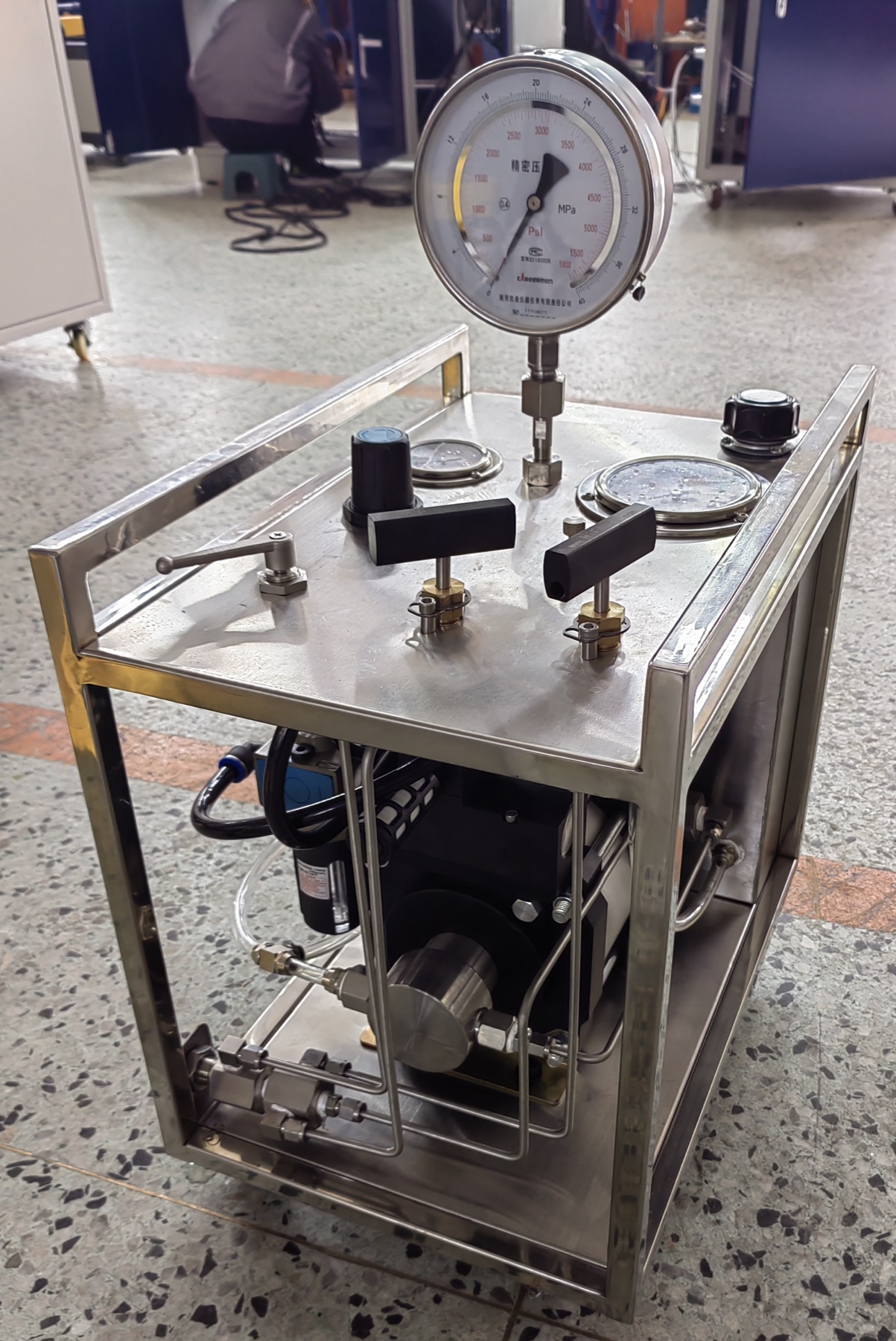
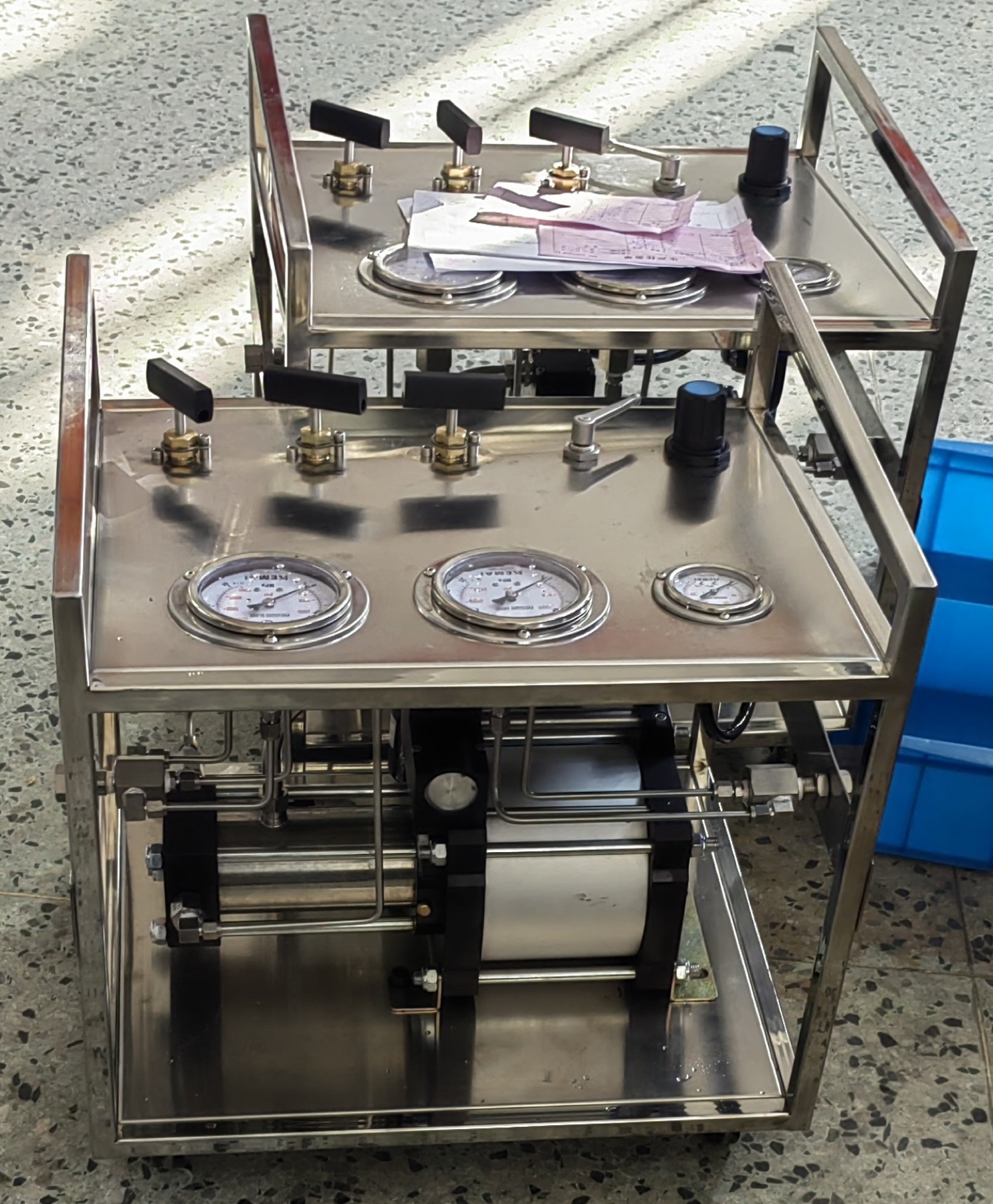
A hydro-pneumatic booster system driven by compressed air for pressurizing water, oil or emulsion media in pressure, burst, holding and leakage tests for valves, pipes, pressure vessels and hydraulic components.
RFQ Snapshot
Ready for RFQ review
- Pressure Range
- 1-400MPa customizable; 10000psi-50000psi options
- Test Medium
- Water, oil, emulsion and other liquid media
- Driven Type / Power Source
- 0.3-0.8MPa compressed air; configured by pump model and pressure range
Brochure and RFQ
Need a datasheet, technical proposal, or configured quotation?
Send pressure, medium, test object, and control requirements for faster RFQ handling.
Overview
Equipment purpose and configuration
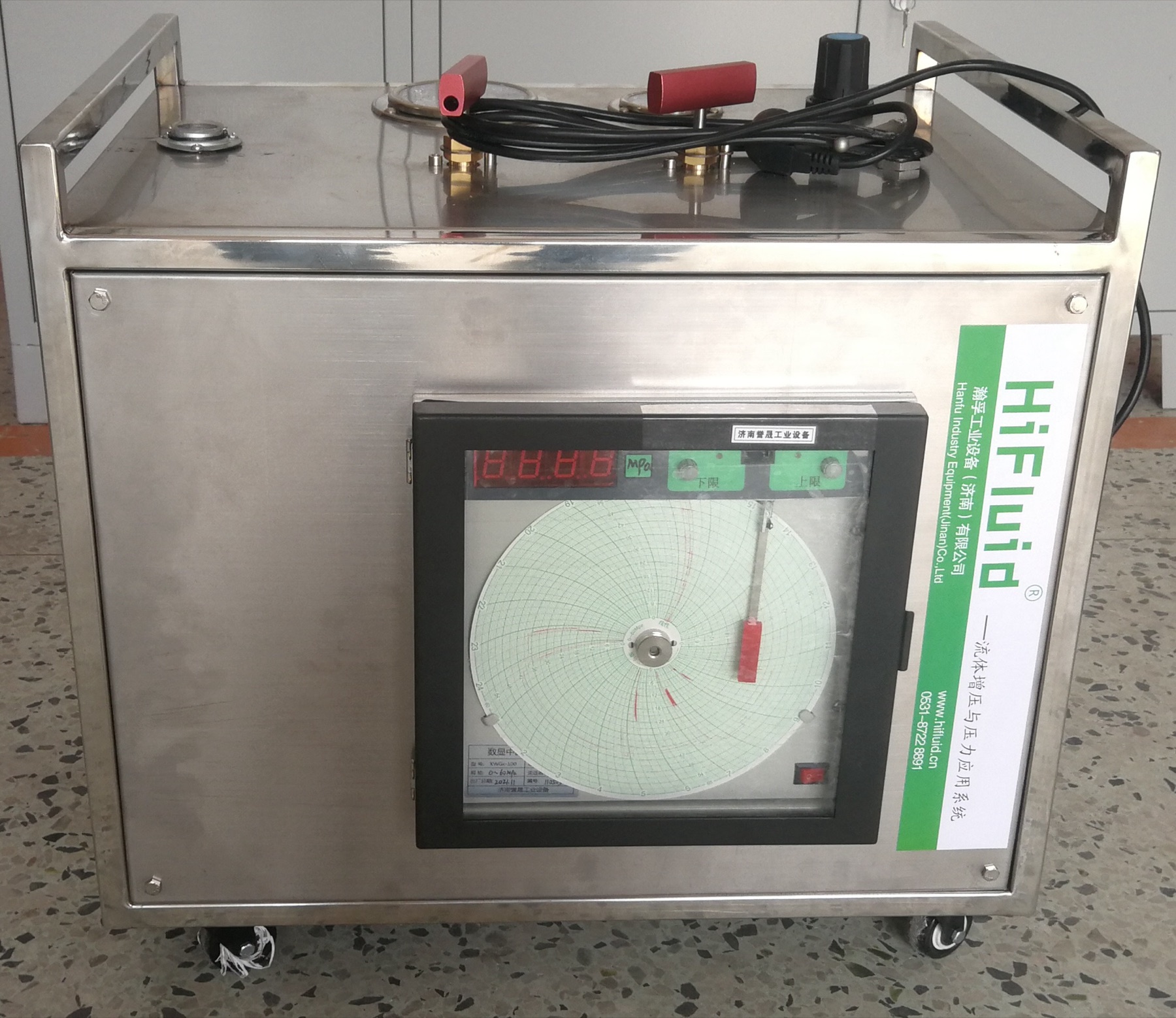
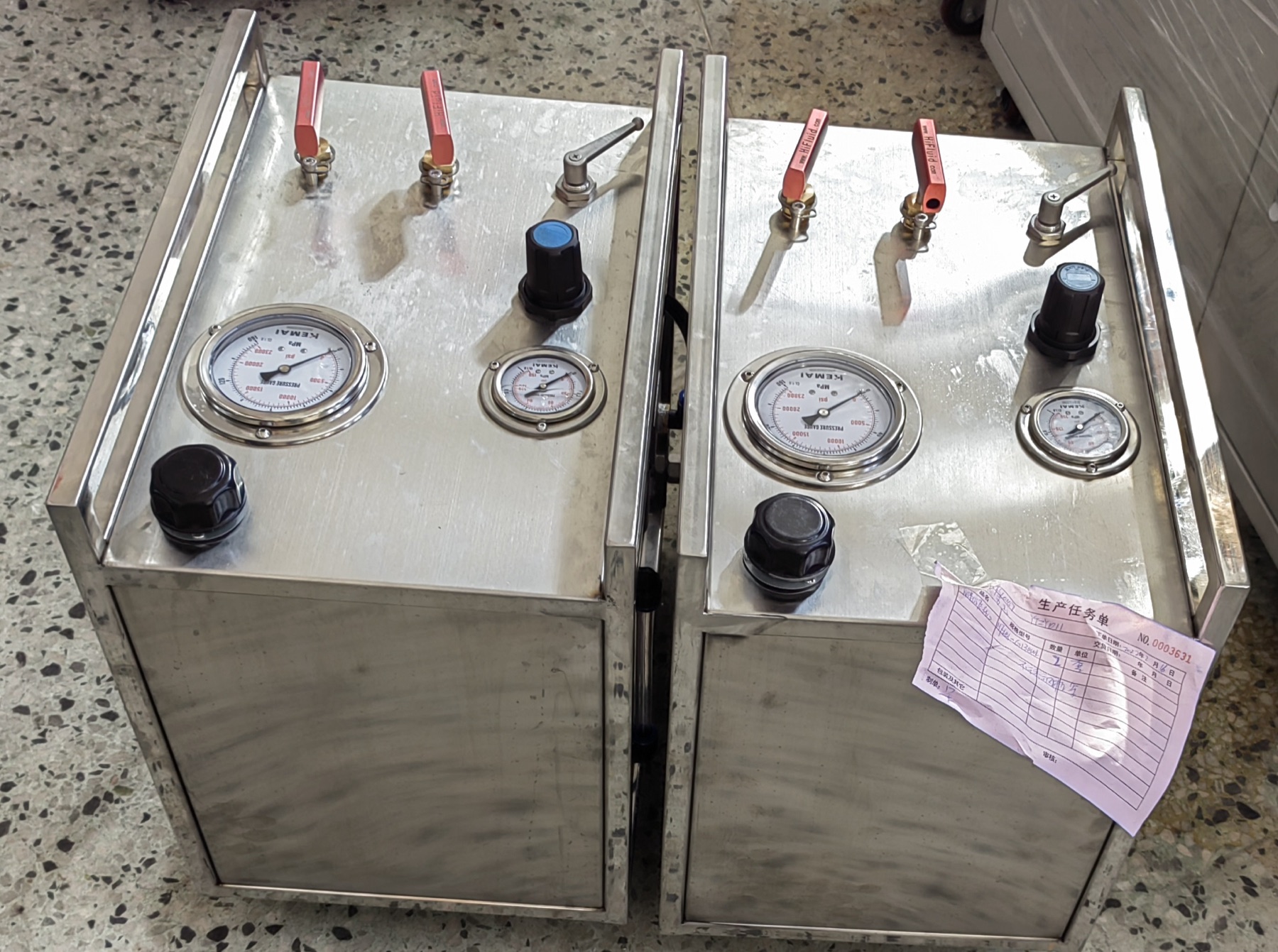
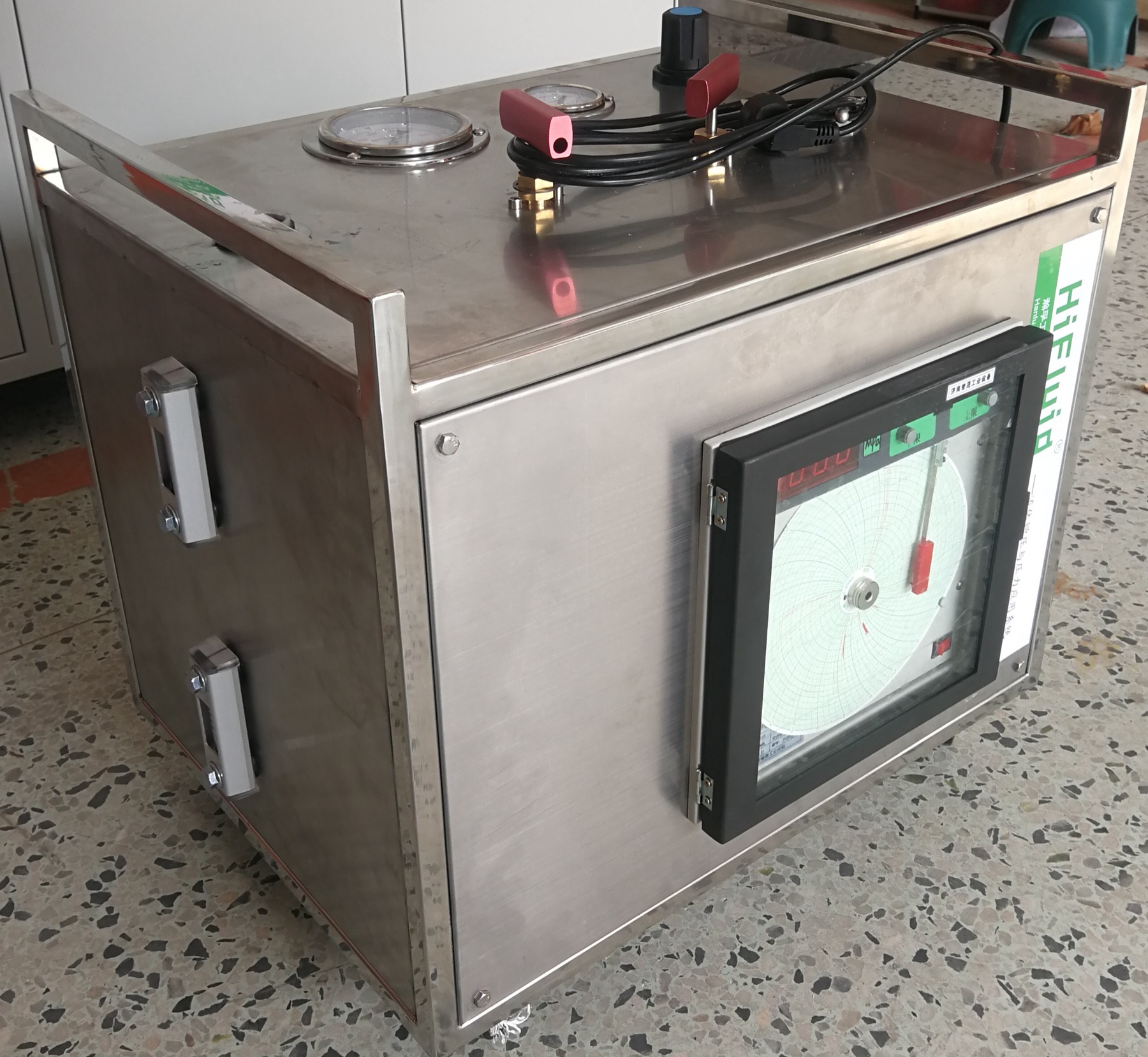
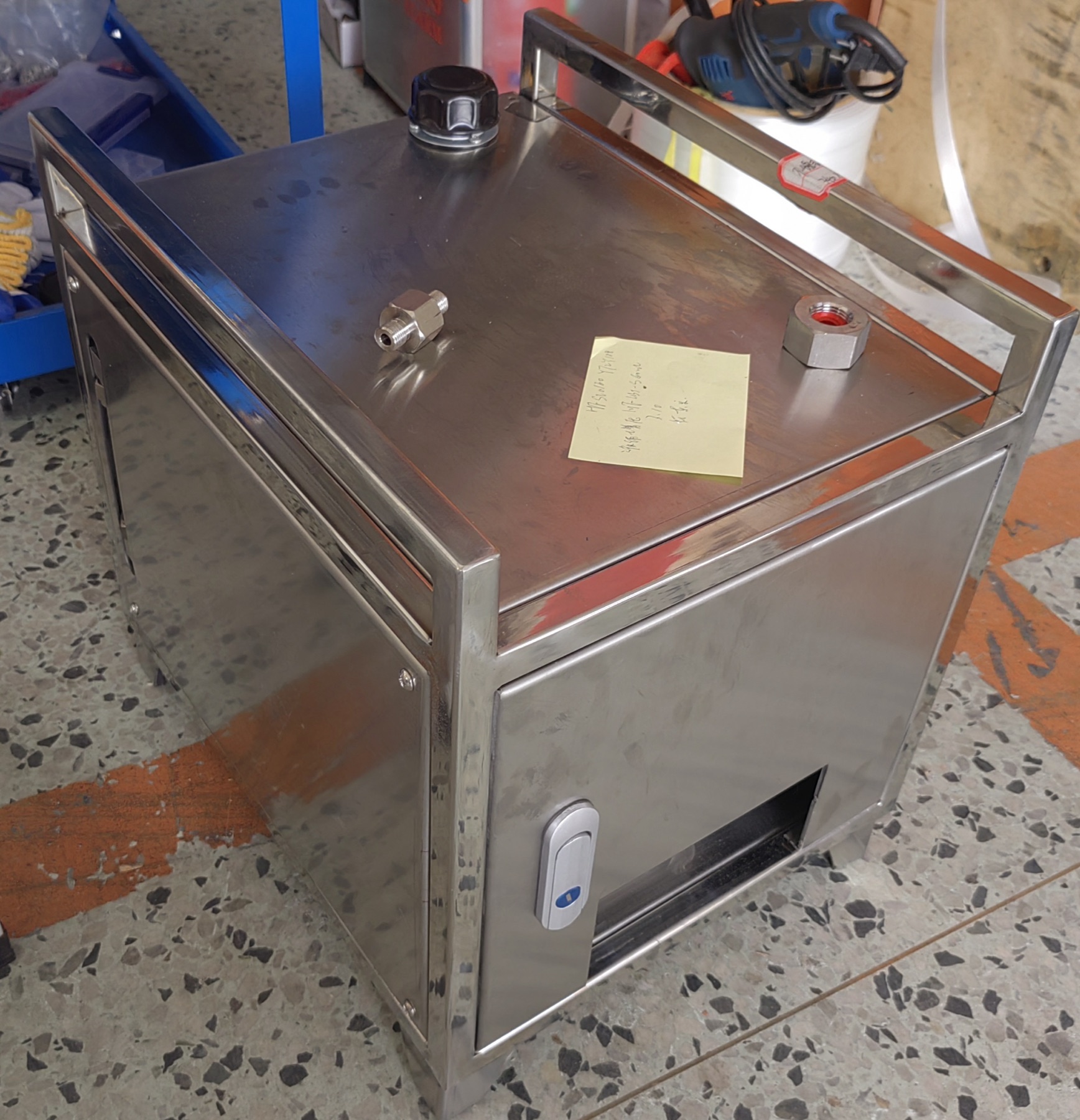
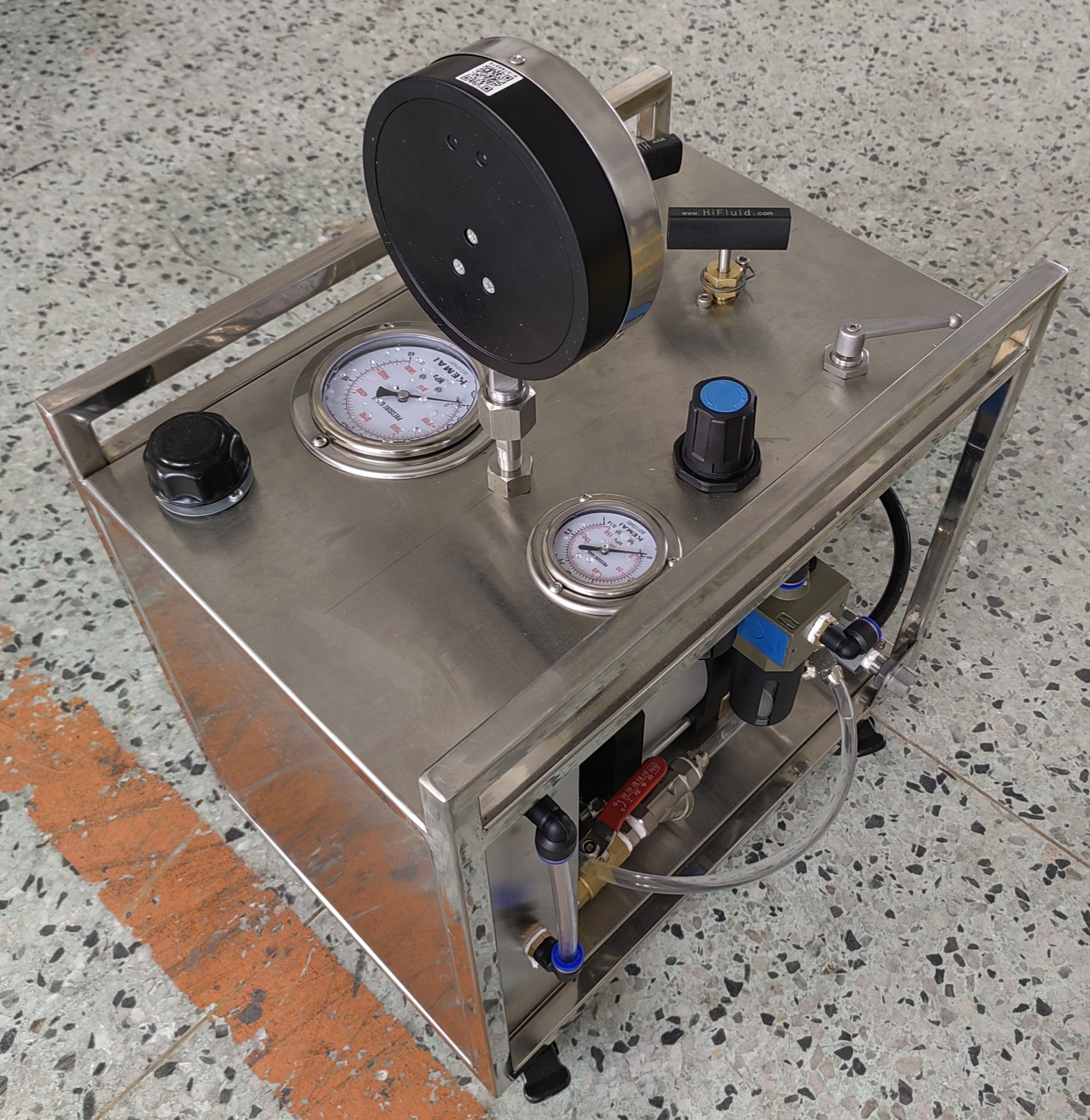
The hydro-pneumatic booster system is an air-driven liquid pressurization unit. It uses compressed air to drive a booster pump and raise water, oil, emulsion or other liquid media to the required test pressure. It is used where high pressure, adjustable output, pressure holding, automatic make-up pressure and safer energy isolation are required. Typical test objects include valves, pipe fittings, pressure vessels, hoses, hydraulic components, heat exchangers, instrument housings and customized fixtures. The system can be supplied as a portable, compact, mobile, skid-mounted, vehicle-mounted, integrated or explosion-proof unit. Depending on the process, it can include manual valve panels, pressure gauges, pressure transmitters, chart recorders, automatic pressure holding, PLC/HMI control and data recording. Selection normally starts from the test medium, target pressure, object volume, pressurization speed, holding time, burst recording requirements and site constraints such as mobility or explosion-proof operation. This draft treats “hydro-pneumatic booster system” as the core product topic and groups related search terms under the same product page, including air driven liquid booster pump, pneumatic pressure booster system, hydrostatic test pump, hydrostatic pressure test bench and hydraulic power unit variants. Phone, WeChat and WhatsApp: +86 15628923813.
Features
Compact stainless-steel mobile structure for on-site or workshop pressure testing.
Hydro-pneumatic boosting avoids hydraulic oil contamination in many water pressure test scenarios.
Pressure holding, pressure make-up, visual gauges and optional recording support acceptance testing.
Can be configured for valve, pipe fitting, hose, vessel and hydraulic component tests.
Optional Configurations
PLC/HMI automatic control, pressure curve recorder, digital pressure sensor, safety enclosure, multi-station fixture, custom tank volume, data export and test report template.
Typical Applications
Selection Checklist
Share these details for a faster technical proposal.
Water, oil, air, nitrogen, or special media.
Maximum pressure, working steps, and safety margin.
Pressurization speed, hold time, and cycling frequency.
Valves, pipes, hoses, cold plates, vessels, or other parts.
Manual, PLC, HMI, or PC-based control.
Curves, reports, traceability codes, and export format.
Selection FAQ
Common Questions
What test objects is the Hydro-pneumatic Booster System suitable for?
It is typically configured for pressure vessels, pipe fittings, valves, hoses, hydraulic components, instrument housings, fluid system parts, and custom pressure test objects. Fixtures, ports, and protection are selected according to the part size, connection type, and test workflow.
How should the pressure range be confirmed for the Hydro-pneumatic Booster System?
The reference pressure range on this page is 1-400MPa customizable; 10000psi-50000psi options. A final proposal should confirm maximum pressure, working pressure steps, pressurization speed, hold time, and safety margin.
What test media can be used with the Hydro-pneumatic Booster System?
Common media include water, oil, emulsion, and other liquid media. For high pressure gas, oil, water-glycol, or special media, sealing material, protection, and pressure release steps should be reviewed.
Can the Hydro-pneumatic Booster System include automatic records and reports?
The control mode can be manual operation, automatic pressure holding, pressure make-up, pressure recording, or optional PLC/HMI control. For traceability, the system can include pressure curves, test conclusions, report export, barcode scanning, and user permissions.
Purchase Inquiry
Send pressure, object, medium, and cycle requirements for a configured proposal.
Quick RFQ